dido:public:ra:xapend:xapend.a_glossary:p:peer
Differences
This shows you the differences between two versions of the page.
| Both sides previous revision Previous revision | |||
|
dido:public:ra:xapend:xapend.a_glossary:p:peer [2022/01/08 18:42] nick |
dido:public:ra:xapend:xapend.a_glossary:p:peer [2022/01/08 18:43] (current) nick |
||
|---|---|---|---|
| Line 2: | Line 2: | ||
| [[dido:public:ra:xapend:xapend.a_glossary:start| Return to Glossary ]] | [[dido:public:ra:xapend:xapend.a_glossary:start| Return to Glossary ]] | ||
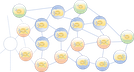
| - | A **Peer** is a node that provides the same functionality as another. For example, two desktop computers in a network are peers. A desktop computer and a server are not peers as they perform different operations. The desktop computer may query the [[dido:public:ra:xapend:xapend.a_glossary:s:server]] for business data, but the server does not query the computer for the same data. | + | A **Peer** is a node that provides the same functionality as another. For example, two [[dido:public:ra:xapend:xapend.a_glossary:d:desktop]] computers in a network are peers. A desktop computer and a server are not peers, as they perform different operations. The desktop computer may query the [[dido:public:ra:xapend:xapend.a_glossary:s:server]] for business data, but the server does not query the computer for the same data. |
| Source: [[https://www.pcmag.com/encyclopedia/term/peer ]] | Source: [[https://www.pcmag.com/encyclopedia/term/peer ]] | ||
dido/public/ra/xapend/xapend.a_glossary/p/peer.1641685345.txt.gz · Last modified: 2022/01/08 18:42 by nick
